Constipation: An Underestimated Concern
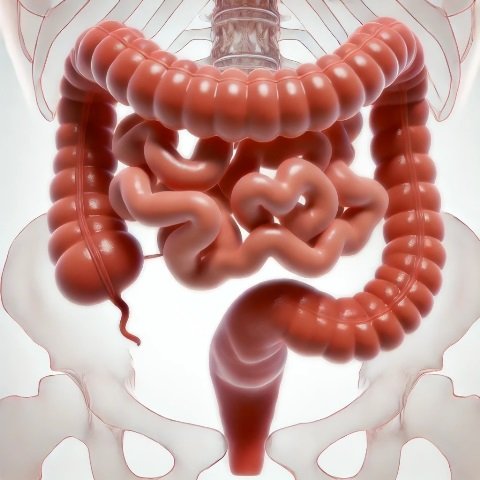
Constipation, defined as infrequent bowel movements or the passing of dry, hard stool, can lead to the accumulation of waste, disruptions in proper digestive function, and reduced absorption of essential nutrients. In traditional medicine, constipation is linked to the buildup of an unbalanced bodily humor called "black bile" (or soda).
Defecation plays a vital role in eliminating black bile from the body. When black bile increases significantly, it can contribute to the development of chronic and even metastatic diseases. Disorders like Alzheimer’s, Parkinson’s, and some cancers are thought to be linked to the unchecked buildup of this humor in the body.
One visible symptom of chronic constipation is the loss of facial clarity and vitality, making the skin appear dull and lifeless. Ideally, bowel movements should occur two to three times daily. While once-a-day movements are still acceptable, anything less than that signals the need for intervention.
This article explores effective, natural solutions to alleviate constipation and restore your digestive health.
Increase Physical Activity and Exercise
Physical activity and exercise are key to improving bowel motility and enhancing peristaltic movements in the intestines.
- How Does It Work? Physical stimulation from exercise promotes better intestinal contractions, while the secretion of bile and the heat generated by movement further stimulate digestion. Additionally, exercise impacts the sympathetic and parasympathetic nervous systems, which play a crucial role in gastrointestinal regulation. The intricate network of nerves surrounding the digestive tract benefits significantly from regular physical activity.
Increase Fiber Intake
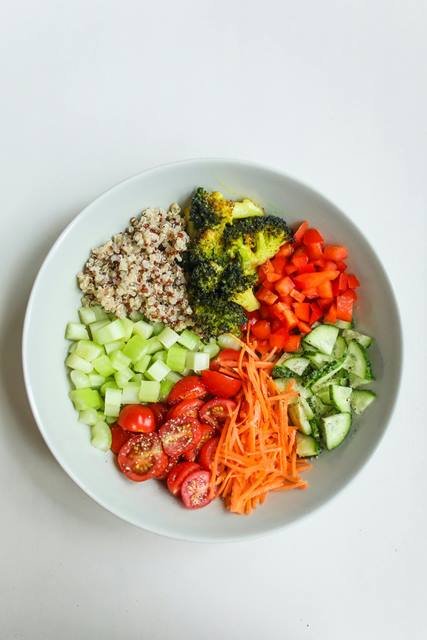
Incorporating fiber-rich foods such as fruits and vegetables into your daily diet is crucial for improving digestive function. Aim to consume at least two or three different types of fruits each day.
- Whole-Grain Products: Replace white bread and processed products with whole-grain alternatives. Whole-grain foods provide essential fiber, aid digestion, and improve bowel movements. For more information on this topic, read our article on the benefits of white versus brown bread.
- Fruits and Vegetables Over Supplements: While multivitamins may seem convenient, they are no substitute for the natural nutrients found in fresh produce. Opt for real fruits and vegetables to meet your nutritional needs.
Use Natural Laxatives
Natural laxatives can help alleviate constipation without causing harmful side effects. These can be categorized into three main groups:
- Sugar-Based Laxatives:
- Examples: Figs, grapes, and similar fruits
- How They Work: These laxatives stimulate bowel movements by encouraging bile secretion and intestinal activity.
- Oil-Based Laxatives:
- Examples: Olive oil, sweet almond oil
- How They Work: These oils lubricate the intestines and add moisture to stool, facilitating smoother bowel movements.
- Tip: Consume one or two tablespoons of these oils with your meals for the best results.
- Mucilaginous Laxatives:
- Examples: Basil seeds, quince seeds, flaxseeds, psyllium husk
- How They Work: These seeds create a gel-like substance that promotes smooth bowel movements. However, excessive consumption of flaxseeds or psyllium can cause anemia or intestinal blockage, so use them in moderation.
Eat More Hydrating Foods and Avoid Dry Foods
Dry foods can worsen constipation, so focus on consuming meals with higher water content, such as soups and stews. These hydrating foods not only ease digestion but also ensure smoother bowel movements.
Scientific Support and References
Research indicates that increased physical activity and dietary fiber intake significantly improve gastrointestinal health and prevent constipation. According to studies published in the American Journal of Gastroenterology, regular exercise enhances peristalsis, while fiber-rich diets reduce the risk of chronic constipation by 42%. Furthermore, natural laxatives such as psyllium husk have been validated by the World Journal of Gastroenterology for their effectiveness in improving stool consistency and frequency.
Traditional medicine also emphasizes that defecation is a critical process for eliminating black bile, which is considered a harmful substance when accumulated in excess. Its buildup has been associated with chronic inflammatory and metastatic conditions, further underscoring the importance of maintaining regular bowel movements for long-term health.
By adopting these simple yet effective strategies, you can improve your digestive health, prevent the complications of chronic constipation, and enjoy a more vibrant, healthier life. Take the first step toward better well-being today!