Section 1: The Power of Meditation – Why It’s Essential for Modern Life
In today’s fast-paced and hectic world, stress and tension are unavoidable companions. This relentless lifestyle often leads to chronic inflammation, muscle knots, and spasms caused by overthinking and emotional strain. Inflammation isn’t just about discomfort – it’s a silent trigger for many chronic diseases, including heart disease, diabetes, and autoimmune disorders.
Meditation emerges as the ultimate remedy for restoring harmony. It is a scientifically-backed practice that helps release physical and mental tension, calming the body and mind. By focusing inward and relaxing fully, meditation alleviates stress, reduces inflammation, and promotes overall health.
But why is meditation so powerful?
- Relieves Physical Strain: It relaxes muscle contractions and eliminates knots caused by stress.
- Reduces Inflammation: Regular practice can reduce stress-induced inflammation, a major root cause of chronic illness.
- Enhances Mental Clarity: Meditation clears mental clutter, helping you focus and find peace amidst life’s chaos.
Meditation is more than just a technique; it’s a gateway to a calmer, healthier you.
Section 2: Mastering Meditation – Steps to Relaxation and Rejuvenation
To experience the full benefits of meditation, it’s essential to practice it the right way. Follow these steps to make the most of your meditation sessions:
1. Find Your Sanctuary
Choose a cozy, peaceful spot where you won’t be disturbed. Silence your phone to avoid interruptions, as even a small notification can disrupt your focus.
2. Create the Right Atmosphere
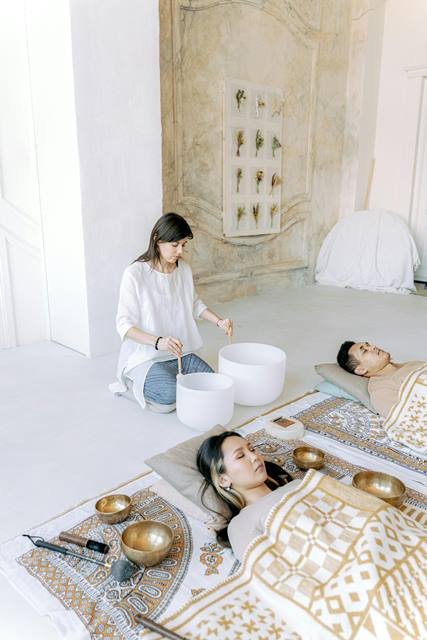
Play soft, natural sounds like flowing water or chirping birds, or choose a meditation coach on YouTube whose voice resonates with you. A good connection with the coach’s voice can help you stay focused and prevent intrusive thoughts.
3. Pick the Best Position
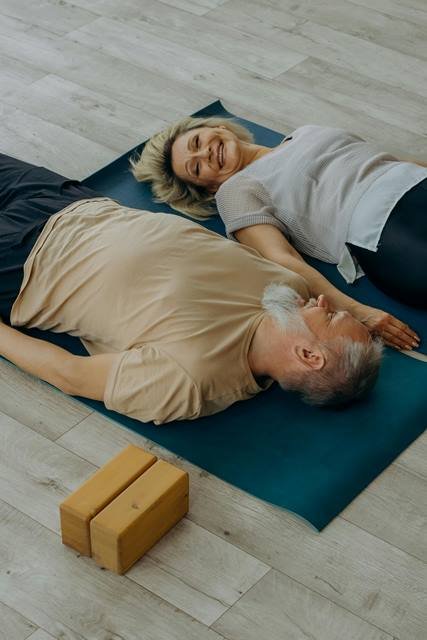
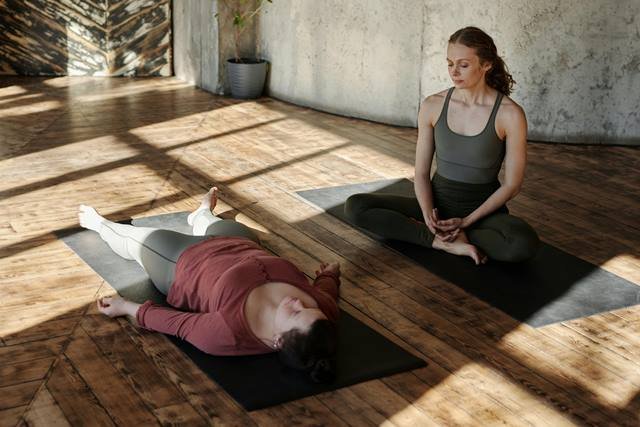
The ideal position for meditation is lying down, as it relaxes all your muscles without requiring contraction or strain. If lying down isn’t an option, sitting upright is the second-best choice.
4. Follow a Guided Relaxation
Start with your head. Imagine releasing tension from your forehead, temples, and jaw. Then, move to your neck, shoulders, arms, and down through your chest, abdomen, pelvis, and legs. Visualize each muscle group softening and relaxing. This step-by-step release ensures a deeper state of relaxation.
5. Focus on Breathing
Breathe deeply and slowly. Feel the rhythm of your breath as it calms your mind and body. If your thoughts wander, gently bring your focus back to your breath.
6. Incorporate Natural Sounds or Visualization
If guided meditation isn’t your preference, immerse yourself in the soothing sounds of nature or visualize tranquil scenes like a serene beach or a quiet forest.
Engaging Call-to-Action
Meditation is your escape from the chaos of modern life. By dedicating just a few moments each day to this transformative practice, you can unlock a healthier, more balanced version of yourself. Begin your journey today, and embrace the peace you deserve!